
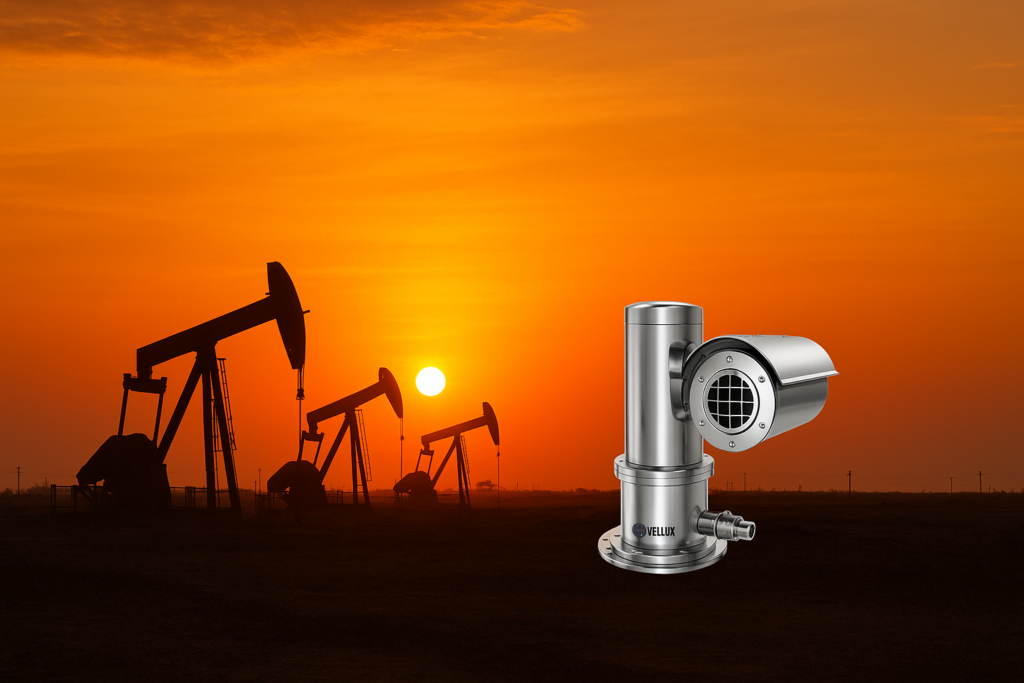
If you work in the oil and gas industry, you already know that safety isn’t just a policy, it’s a way of life. Every tool, every procedure, and every piece of equipment must be built to withstand some of the harshest, most unpredictable environments on Earth.
That includes your surveillance systems.
While standard security cameras might be perfect for an office or a parking lot, they simply can’t handle the dangers that exist on a drilling platform, at a refinery, or inside a chemical processing unit. That’s where explosion-proof cameras come in. These specialized cameras are designed, quite literally, to prevent disaster.
In this guide, we’ll break down the real-world differences between explosion-proof cameras and standard cameras, why the oil and gas sector depends on them, and how they keep workers, equipment, and entire facilities safer.
Safety Advantages
Built to Contain the Worst-Case Scenario
The most important difference between explosion-proof cameras and standard security cameras is simple: explosion-proof cameras are engineered to contain an internal explosion so it can’t ignite anything in the surrounding environment.
This doesn’t mean the camera explodes often, it means if something goes wrong inside the housing (a spark, a short circuit, a loose connector), the surrounding gases or vapors won’t ignite.
Standard cameras don’t offer this. They have vents, plastic housings, and open designs meant for convenience and cooling, not containment.
In oil and gas, that difference can be life-saving.
Compliance With Hazardous Location Standards
Explosion-proof cameras must pass rigorous certifications like ATEX, IECEx, and UL Class I Division 1. These aren’t optional, they’re requirements for any equipment operating in hazardous areas.
Oil and gas sites frequently involve:
- Flammable gases
- Combustible dust
- Pressurized chemical vapors
- Ignition-prone atmospheres
Using anything but an explosion-proof camera in these areas isn’t just unsafe, it’s a violation of safety regulations.
Extreme Weather and Corrosion Resistance
Oil and gas facilities are rarely gentle environments. Offshore platforms face salt spray and violent winds. Refineries deal with chemical corrosion. Drilling sites endure dust, vibration, and extreme heat.
Explosion-proof cameras are built for this world.
Their stainless steel housings, sealed cable entries, and impact-resistant windows allow them to survive conditions that would destroy a standard camera in weeks.
A standard security camera, with its lightweight plastic body and simple electronics, just isn’t made to last in these environments.
Technical Differences
Beyond safety, there are several behind-the-scenes engineering differences that make explosion-proof cameras more robust and reliable in hazardous areas.
Heavy-Duty Construction
Explosion-proof cameras are engineered for durability from the inside out. Many weigh several pounds due to solid metal housings, thick glass windows, and reinforced seals.
Standard cameras, on the other hand, are intentionally lightweight. They’re designed for easy installation, not industrial endurance.
Sealed, Flameproof Cable Entries
In a hazardous environment, even a tiny spark along a cable line can ignite flammable gases. Explosion-proof cameras use flameproof or explosion-proof cable glands to prevent heat or sparks from escaping the camera body.
Standard cameras use regular cable connectors with no special sealing, which is why they’re unsafe for hazardous zones.
Thermal Resistance and Environmental Controls
Oil and gas environments often involve extreme temperatures, both hot and cold. Explosion-proof cameras may include:
- Heat-resistant housings
- Built-in cooling systems
- Internal heaters
- Engineered insulation
These features ensure the camera keeps working even when temperatures push past normal operating limits.
A standard camera simply doesn’t have this level of environmental engineering.
High-Performance Imaging Built for Industrial Use
Even with their heavy-duty housings, explosion-proof cameras are not outdated. In fact, modern units include:
- 4K imaging
- Long-range IR night vision
- Optical zoom
- Low-light sensors
- Wide Dynamic Range (WDR)
Why does this matter? Because workers need clear visibility in critical areas, whether it’s to detect leaks, monitor high-risk processes, or quickly identify emergency situations.
Application Scenarios
The real-world use cases highlight why explosion-proof cameras are essential in oil and gas and where standard cameras fall short.
Where Explosion-Proof Cameras Are Essential
Wherever flammable vapors, gases, chemicals, or dust are present, explosion-proof cameras aren’t just recommended, they’re mandatory.
Common hazardous locations include:
- Offshore drilling rigs
- Onshore drilling sites
- Refineries
- Gas compressor stations
- Petrochemical processing plants
- LNG terminals
- Fuel storage depots
- Chemical mixing rooms
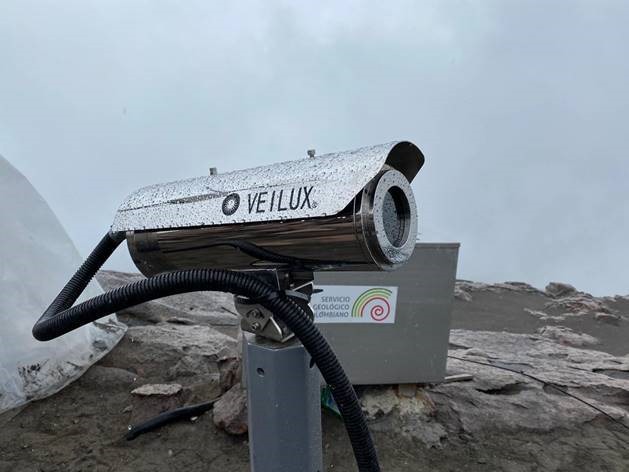
In all these environments, explosion-proof cameras provide critical visibility while keeping workers safe and ensuring regulatory compliance.
Where Standard Security Cameras Still Make Sense
Standard cameras absolutely have their place. They’re perfect for:
- Office buildings
- Parking areas
- Entry gates
- Administrative offices
- Control rooms
- Break rooms
- Perimeter monitoring in non-hazardous zones
They’re affordable, easy to install, and great for general surveillance, but they should never be used in a hazardous-rated zone.
Why Oil and Gas Chooses Explosion-Proof Cameras
Explosion-proof cameras help companies:
- Protect their workforce
- Reduce risk of ignition
- Comply with industry regulations
- Avoid catastrophic downtime
- Improve operational visibility
- Support incident investigations
- Monitor equipment and processes safely
With so much at stake, lives, multimillion-dollar assets, entire facilities, it’s clear why standard cameras simply aren’t enough.
Additional Resources
If you want to explore explosion-proof cameras and other industrial-grade solutions, here are helpful links:
- Solutions: https://www.veilux.net/solutions/
- Security Magazine: https://www.securitymagazine.com/
- asmag Industry News: https://www.asmag.com/
These sites offer valuable technical insights and ongoing industry updates.
Conclusion
When you compare explosion-proof cameras to standard security cameras, the difference is more than ruggedness, it’s about protecting people, equipment, and entire operations.
Standard cameras work well in normal conditions, but they simply cannot handle hazardous environments filled with flammable substances. Explosion-proof cameras, on the other hand, are purpose-built to operate safely in these high-risk areas. Their heavy-duty construction, regulatory certifications, sealed wiring, and advanced imaging capabilities make them the gold standard for the oil and gas industry.
If safety, compliance, and clear visibility matter, and in oil and gas, they always do, explosion-proof cameras are the only responsible choice.