
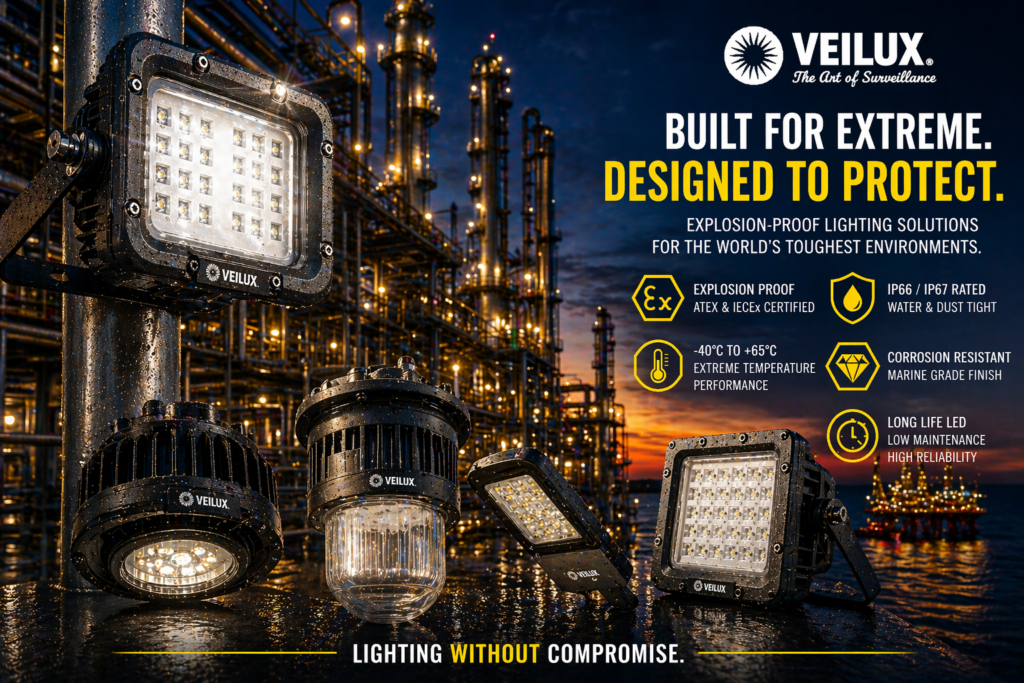
Explosion proof lighting is one of those things most people don’t think about, until it becomes a problem.
If you’ve worked in oil and gas for any amount of time, you know one thing for sure: risk is always there.
It’s not always obvious. It’s not always dramatic. But it’s constant.
And sometimes, the biggest risks come from the smallest things.
Like your lighting.
Most people don’t think twice about it. Lights are just… part of the environment. Flip a switch, and they work. No big deal.
But in oil and gas facilities, where flammable gases and vapors are part of daily operations, lighting can either be a layer of protection… or a serious hazard.
That’s where explosion proof lighting really matters.
We work with facilities that can’t afford mistakes. And we’ve seen how the right lighting setup can quietly prevent problems before they ever start.
What Explosion Proof Lighting Actually Does
Let’s clear something up first.
Explosion proof lighting doesn’t mean the fixture can survive an explosion.
It means it’s designed so it doesn’t cause one.
Inside every light fixture, there’s electricity. And with electricity comes the possibility of small sparks or arcs. In a normal environment, that’s harmless.
In an oil and gas facility? That’s all it takes.
Explosion-proof fixtures are built with sealed, reinforced enclosures that contain any internal sparks, preventing them from igniting gases or vapors outside the fixture.
If you want to understand how these environments are classified, I can break it down in more detail.
The Mistake Most Facilities Make
Here’s the issue.
A lot of facilities assume that if lighting “works,” it’s good enough.
But in hazardous environments, “working” isn’t the same as safe.
Common mistakes include:
- Using fixtures not rated for the specific hazard class
- Installing lighting that degrades in extreme temperatures
- Choosing cheaper options that lack proper certification
These decisions might save money upfront, but they introduce risk that can cost far more later.
Why Explosion Proof Lighting Is Critical in Oil & Gas
This isn’t about overengineering, it’s about reality.
1. Flammable Environments Are Unforgiving
Oil and gas operations regularly deal with volatile substances. One spark in the wrong place can lead to catastrophic consequences.
2. Compliance Isn’t Optional
Regulations like NEC and OSHA exist for a reason. Using properly certified lighting helps ensure your facility stays compliant and avoids shutdowns or fines.
3. Safety Impacts Productivity
When workers feel safe and can see clearly, operations run smoother. This will reduce accidents, minimize downtime, and improve productivity.
Where It Matters Most
In oil and gas, explosion proof lighting is essential in areas like:
- Refineries
- Drilling rigs
- Offshore platforms
- Storage terminals
- Processing plants
If there’s gas, vapor, or combustible dust in the air, even occasionally, you need lighting designed for it.
What to Look for (Without Overcomplicating It)
Choosing the right explosion proof lighting doesn’t have to be overwhelming. Focus on what actually matters:
Built to Last
Look for durable materials like aluminum or stainless steel that can handle corrosion, vibration, and extreme conditions.
LED Technology
Modern LED fixtures are more efficient, last longer, and require less maintenance.
Explore Veilux Explosion Proof Lighting, dependable lighting solutions designed to keep your workspace safe, bright, and running smoothly.
Proper Ratings
Make sure the fixture is certified for your specific hazardous classification (Class I, Division 1, etc.).
The Right Brightness
Too little light creates hazards. Too much can cause glare. Balance is key
The Real Cost of Cutting Corners
This is where things get serious.
Choosing the wrong lighting doesn’t just create risk, it creates consequences:
- Equipment damage
- Operational downtime
- Failed inspections
- Increased liability
- And in worst cases… explosions
It’s easy to focus on upfront cost. But in oil and gas, the long-term cost of failure is what really matters.
How Veilux Helps Facilities Get It Right
At Veilux, we understand that no two environments are exactly the same.
That’s why we focus on:
- Matching lighting solutions to real-world conditions
- Providing certified, high-performance fixtures
- Helping teams make decisions without unnecessary complexity
Whether you’re upgrading or starting from scratch, the goal is simple: get it right the first time.
👉 Browse Veilux expolsion proof lighting for all solutions:
Energy Efficiency: The Unexpected Bonus
Here’s something a lot of facilities don’t expect, better lighting can actually reduce costs.
LED explosion proof lighting:
- Uses significantly less energy
- Lasts much longer than traditional fixtures
- Reduces maintenance needs
So while the primary goal is safety, the added efficiency is a major bonus.
Common Misconceptions
Let’s clear up a few quick ones:
“We’ve never had an issue before.”
That doesn’t mean the risk isn’t there.
“It’s too expensive to upgrade.”
An incident costs more. Every time.
“All explosion proof lighting is the same.”
It’s not. Quality, certification, and durability vary widely.
Where the Industry Is Headed
Oil and gas facilities are evolving and so is lighting.
We’re seeing:
- Smarter, more efficient LED systems
- Better materials for harsh environments
- Improved reliability and lifespan
But the core goal hasn’t changed:
prevent risk before it becomes a problem.
Final Thoughts
Explosion proof lighting isn’t something you notice when it’s working.
And that’s exactly how it should be.
It quietly does its job, day after day, protecting your facility, your team, and your operations.
But if it’s not done right, it becomes one of the weakest points in your entire system.
If you’re reviewing your setup or planning an upgrade, now’s the time to take a closer look.