
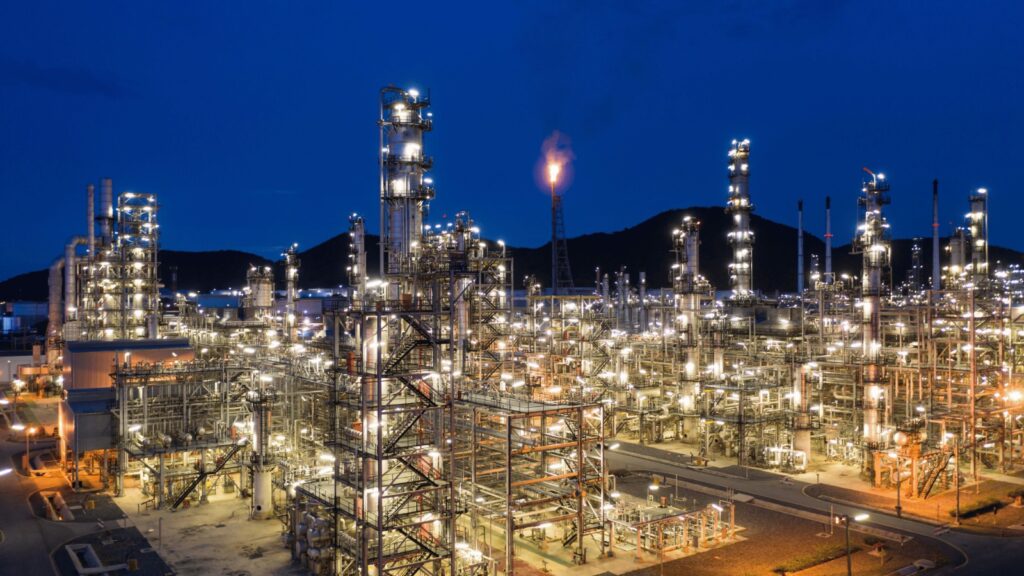
In the oil and gas industry, hazardous environments require more than just standard security cameras. Proper explosion-proof camera installation ensures safety, regulatory compliance, and operational efficiency. Installing these cameras incorrectly can lead to equipment failure, costly downtime, or dangerous accidents.
This guide highlights the top 5 mistakes to avoid during explosion-proof camera installation and provides actionable tips for safe and effective deployment.
1. Ignoring Hazardous Location Classifications in Explosion-Proof Camera Installation
A frequent error in explosion-proof camera installation is neglecting the hazardous location classifications defined by the National Electric Code (NEC) or IEC standards.
Every flammable area has a classification:
- Class I: Flammable gases or vapors
- Class II: Combustible dust
- Class III: Ignitable fibers or flyings
Additionally, areas are divided into Divisions or Zones, indicating how often hazardous conditions are present. Installing a camera without matching its certification to the area’s classification risks catastrophic failures.
Best Practice:
Always refer to NEC hazardous location guidelines and verify that your cameras are certified with the correct Class, Division, or Zone rating prior to installation. Ourr Hazardous Area Equipment Checklist can help ensure every requirement is accounted for and nothing is overlooked.
2. Improper Mounting and Placement During Explosion-Proof Camera Installation
Another common mistake is poor mounting. Correct placement ensures optimal coverage and camera longevity.
Key factors:
- Field of View: Ensure critical areas are fully monitored.
- Vibration Resistance: Mount on stable surfaces to prevent blurry footage.
- Distance from Hazard Sources: Even explosion-proof cameras should avoid direct exposure to extreme heat or corrosive elements.
Proper placement during explosion-proof camera installation ensures high-quality monitoring without compromising safety. Need help with camera placement? Use our Veilux Explosion‑Proof Camera Placement Guide for quick, practical guidance.
3. Faulty Electrical Wiring and Grounding in Explosion-Proof Camera Installation
Electrical mishaps are a serious risk. Using non-rated wiring or skipping proper grounding during explosion-proof camera installation can create sparks and ignite hazardous atmospheres.
Common wiring mistakes:
- Non-rated conduit or cables in hazardous zones
- Overloaded circuits causing overheating
- Improper grounding
Best Practice:
- Use certified explosion-proof conduits and fittings.
- Follow the manufacturer’s wiring diagram.
- Test grounding before commissioning.
The National Fire Protection Association provides clear guidance through NEC Articles 500-506 which outline wiring standards for hazardous locations.
4. Neglecting Regular Maintenance for Explosion-Proof Camera Installation
Even after a perfect installation, neglecting maintenance can compromise safety. A well-maintained system ensures long-term compliance and operational efficiency.
Maintenance Tips:
- Clean camera lenses regularly.
- Inspect gaskets and seals to maintain explosion-proof integrity.
- Update firmware on networked cameras.
- Check for corrosion or physical damage.
For additional support, explore our Our Guide to Industrial Security Solutions, which provides practical insights for industrial applications. You can also reference the ISA Standards for Hazardous Environments for recognized external guidance on compliance and safety.
5. Overlooking Compliance and Certification in Explosion-Proof Camera Installation
Using uncertified cameras is a critical mistake. Always ensure your cameras meet the necessary standards:
- ATEX (Europe): Approved for explosive atmospheres
- IECEx (International): Global hazardous area certification
- UL (North America): Safety compliance for Class I, II, III zones
Installing non-certified cameras risks legal penalties, insurance complications, and serious safety hazards.
For additional insight, refer to Fluke Industrial Inspection, a trusted resource for industrial testing and inspection solutions.
Benefits of Proper Explosion-Proof Camera Installation
Correct explosion-proof camera installation offers multiple advantages:
- Enhanced Safety: Reduces ignition risk in hazardous zones.
- Regulatory Compliance: Meets NEC, ATEX, IECEx, and UL standards.
- Operational Efficiency: Early detection of leaks or hazards.
- Reduced Maintenance Costs: Correct installation prolongs camera lifespan.
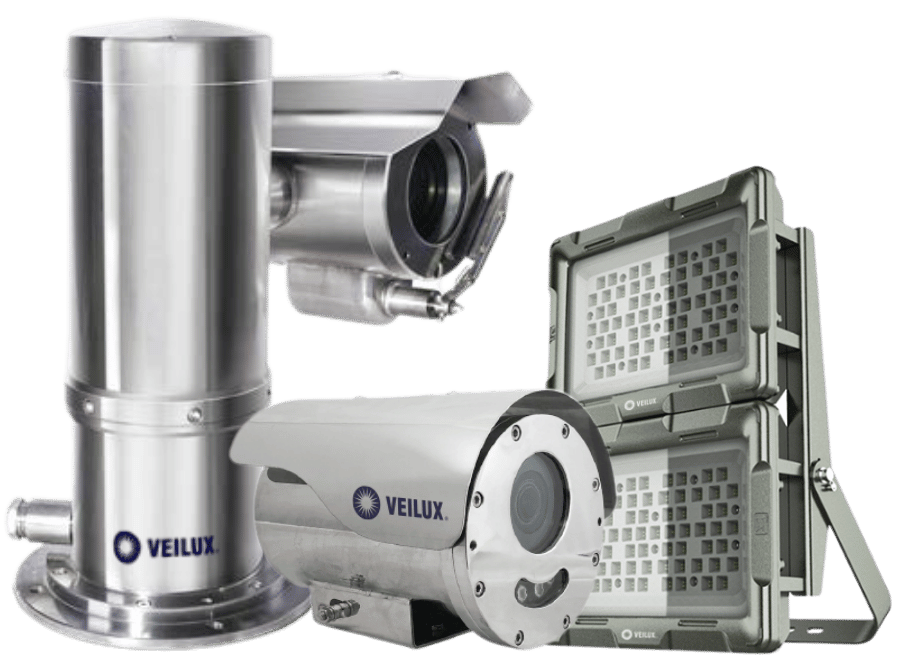
Choosing the Right Explosion-Proof Cameras
Selecting the right cameras is crucial for a successful explosion-proof camera installation:
- Ingress Protection (IP) Rating: IP66 or higher is ideal for oil and gas sites.
- Temperature Tolerance: Must withstand extreme temperatures.
- Video Quality & Analytics: HD cameras with AI capabilities help detect hazards faster.
Leading certified brands include Axis Communications, Bosch Security Systems, and FLIR.
Explore our Industrial Security Solutions for practical guidance and best practices tailored to demanding industrial environments.
Conclusion
A proper explosion-proof camera installation is not just about equipment, it’s about safeguarding personnel, ensuring regulatory compliance, and maintaining operational efficiency. Avoid the top 5 mistakes:
- Ignoring hazardous classifications
- Improper placement
- Faulty wiring or grounding
- Neglecting maintenance
- Overlooking compliance and certification
Following these guidelines will help you deploy a safe, efficient, and compliant security system in hazardous oil and gas environments.
Remember, attention to detail in explosion-proof camera installation isn’t optional, it’s a necessity.