

Explosion proof cameras industrial systems from Veilux are engineered for the most demanding hazardous environments, certified for Class I Division 1 and Zone 1 areas. Our explosion proof cameras industrial lineup meets ATEX, IECEx, and UL standards.
Explosion-proof cameras for industrial facilities classified under NEC Articles 500–502 or ATEX/IECEx Zone 1/2 must be housed in certified enclosures rated for the specific gas group, temperature class, and Division or Zone applicable to their mounting location. This guide covers how to select explosion-proof cameras for industrial facilities across oil and gas, chemical, mining, pharmaceutical, and utility sectors — including the certification, mounting, and network requirements that define a compliant installation.
Explosion-proof cameras are critical for industries operating in hazardous environments. Industrial facilities such as oil refineries, chemical plants, offshore platforms, and gas processing sites operate in some of the most dangerous environments on earth. The presence of combustible gases, dust, and flammable vapors creates a constant risk of explosions. Traditional surveillance cameras cannot withstand these conditions and may even become ignition sources themselves. This is where explosion-proof cameras play a vital role.
Why Explosion-Proof Cameras Matter: Explosion Proof Cameras For Industrial
Explosion Proof Cameras Industrial for Hazardous Locations
Explosion-proof cameras are specifically engineered to operate safely in environments where explosive atmospheres are likely. By being encased in specially designed housings, these cameras prevent internal sparks or heat from triggering external explosions. Their installation is not only a security investment but also a compliance measure aligned with strict international safety standards.
Organizations like NIOSH and OSHA emphasize the importance of protective equipment in hazardous zones. Explosion-proof cameras directly contribute to these safety requirements while ensuring continuous surveillance.

Safety Features of Explosion-Proof Cameras
Explosion-proof cameras offer advanced features that protect industrial facilities against both operational risks and environmental hazards. Some of the key safety features include:
1. Certified Explosion-Proof Housing
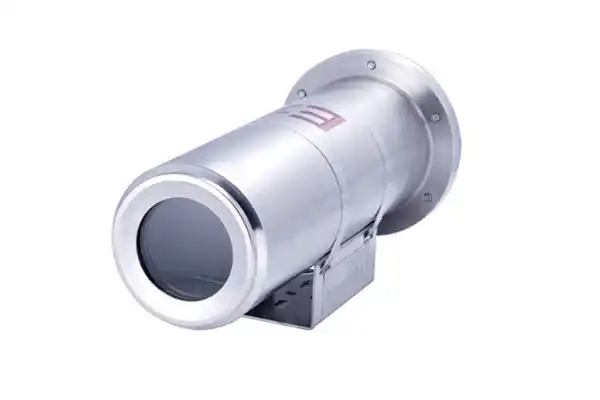
Explosion-proof cameras come with housings tested under rigorous conditions. Certified by ATEX, IECEx, or ATEX/IECEx standards, the housings are built from stainless steel or aluminum alloys that withstand extreme pressure.
2. Wide Temperature Resistance
Explosion-proof cameras are designed to function in extreme climates, from arctic cold to desert heat. They continue recording reliably between -60°C and +70°C.
3. Corrosion and Dust Protection
Explosion-proof cameras resist corrosion from saltwater exposure and are dust-tight (IP66/IP67 rated), protecting sensitive electronics from contamination.
4. Infrared and Low-Light Capabilities
These cameras provide visibility in poorly lit or dark conditions using IR technology, and some models employ thermal imaging for detecting gas leaks or fires.
5. Remote Monitoring and Integration
Explosion-proof cameras integrate with Video Management Systems (VMS), enabling remote monitoring, automated alerts, and seamless safety framework integration.
For further insights on protective technologies, visit Veilux Inc.
Explosion-Proof Cameras vs. Standard Cameras
To understand why explosion-proof cameras are indispensable, it’s important to compare them directly with standard security cameras:

| Feature | Standard Cameras | Explosion-Proof Cameras |
|---|---|---|
| Housing | Lightweight plastic or aluminum | Heavy-duty stainless steel or aluminum alloy |
| Hazardous Zone Safety | Not safe in explosive environments | Certified for ATEX, IECEx, and ATEX/IECEx compliance |
| Temperature Resistance | Limited (-10°C to +50°C) | Extreme (-60°C to +70°C) |
| Dust & Corrosion Protection | Basic IP rating (IP54/IP55) | High IP rating (IP66/IP67) with corrosion resistance |
| Ignition Risk | Potential ignition source in hazardous areas | Zero ignition risk due to explosion-proof housing |
| Applications | Retail, offices, low-risk environments | Oil & gas, chemical, mining, wastewater, food processing |
This chart clearly shows why explosion-proof cameras are the only safe choice for industrial facilities exposed to combustible materials.
Industrial Applications of Explosion-Proof Cameras
The oil and gas sector, with its inherently hazardous zones, is one of the biggest adopters of explosion-proof cameras. However, their applications span across several industries.
1. Oil and Gas Facilities
Explosion-proof cameras monitor critical safety zones such as drilling platforms, compressor stations, and flare stacks.
Case Study: A Gulf Coast refinery installed explosion-proof cameras across its pipeline network, preventing a costly shutdown after detecting pressure irregularities in real time.
2. Chemical and Pharmaceutical Plants
Explosion-proof cameras ensure constant surveillance where volatile substances are used. In pharmaceutical cleanrooms, they also meet contamination control requirements.
3. Mining Operations
Explosion-proof cameras enhance worker safety by monitoring tunnel conditions, conveyor systems, and heavy machinery operations.
4. Food and Beverage Processing
Explosion-proof cameras prevent combustible dust explosions in facilities like flour mills and sugar refineries.
5. Wastewater Treatment Plants
Explosion-proof cameras monitor tanks, pumps, and pipelines where methane buildup creates explosive risks.
For detailed industrial guidance and resources, explore Veilux Resources.
FAQs About Explosion-Proof Cameras
Are explosion-proof cameras mandatory in oil and gas facilities?
Yes, in most regions explosion-proof cameras are either mandatory or strongly recommended in classified hazardous areas. Regulatory standards such as ATEX in Europe and NEC in the U.S. require certified equipment to avoid ignition risks.
What certifications should explosion-proof cameras have?
Look for ATEX, IECEx, or ATEX/IECEx Certifications. These ensure the cameras are tested and approved for hazardous zone deployment.
Can explosion-proof cameras be used outdoors?
Absolutely. They are designed for extreme conditions, including offshore environments, deserts, and freezing climates. Their corrosion resistance and high IP ratings make them ideal for outdoor use.
How long do explosion-proof cameras last?
With proper maintenance, explosion-proof cameras can last 7–10 years or longer. Their rugged housings and protective features extend their service life compared to standard cameras.
Do explosion-proof cameras provide night vision?
Yes. Most models include infrared and low-light imaging, and advanced units also use thermal imaging to detect heat signatures.
Conclusion: Why Explosion-Proof Cameras Are Essential
Explosion-proof cameras are more than just surveillance tools, they are essential safety systems that protect lives, assets, and the environment. For industries like oil and gas, chemical processing, and mining, these specialized cameras provide continuous monitoring without adding risks.
Case in Point: A petrochemical plant in Texas reported a 40% reduction in operational incidents after deploying explosion-proof cameras with integrated thermal monitoring.
Key Takeaway: Explosion-proof cameras are indispensable for industrial safety, particularly in high-risk sectors. Their certified housings, rugged design, and advanced features make them vital for preventing disasters and ensuring safe operations.
Key Takeaways: Explosion-proof Cameras For Industrial
Explosion-proof Cameras For Industrial is essential equipment in hazardous classified environments where flammable gases, vapors, or dust may be present. Facilities relying on Explosion-proof Cameras For Industrial benefit from enhanced safety and regulatory compliance with ATEX, IECEx, and ATEX/IECEx Certifications. When specifying Explosion-proof Cameras For Industrial for your site, match the certification to your area classification — Zone 0/1/2 or Class I Division 1/2.
Explosion-proof Cameras For Industrial from Veilux is available in fixed and PTZ configurations to suit perimeter, process, and critical-area coverage needs. Properly maintained Explosion-proof Cameras For Industrial extends system life and upholds certification validity per NFPA 70E inspection requirements.
Related Resources
- Explosion-Proof Camera Selection Guide
- Explosion-Proof Cameras for Oil and Gas Refineries
- Explosion-Proof Cameras for Chemical Plants
- How to Design a Hazardous Area CCTV System
- Browse Explosion-Proof Cameras
- Request a Project Quote
As a leading provider of explosion proof cameras industrial solutions, Veilux delivers certified equipment built for hazardous environments. Our explosion proof cameras industrial lineup is ATEX, IECEx, and UL listed for Class I Division 1 and Zone 1 applications. Every explosion proof cameras industrial unit undergoes rigorous testing to ensure reliable operation in explosive atmospheres.
Veilux engineers are available to help you specify the right explosion proof cameras industrial system for your site requirements. Explore our full selection of explosion proof cameras industrial equipment and request a custom quote today.
Need explosion-proof cameras for your facility?
Veilux has designed and supplied explosion-proof surveillance systems for oil refineries, chemical plants, offshore platforms, grain elevators, and mining operations. Our engineers review your hazardous area classification and specify certified cameras that meet every code requirement.

About the Author
Daniel Fernandez
Daniel Fernandez is a hazardous area security systems specialist with over a decade of experience specifying ATEX, IECEx, UL Class I Division 1, and cUL certified surveillance equipment for oil and gas, chemical, mining, pharmaceutical, and offshore environments. He holds expertise in NEC and IEC area classification standards and has consulted on explosion-proof camera system designs across North America, Europe, and the Middle East.